
The Power of Emotional Marketing: Why Feelings Drive Consumer Decisions
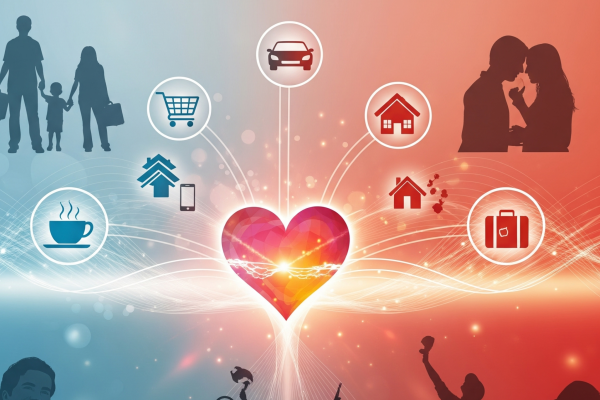
Have you ever thought about the number of brands that emerge in our society every day? It’s fascinating how, each day, new competitors arise for existing brands, and many of them manage to find their own customer base. What’s even more interesting is that the already established brands often maintain their presence in the minds of their customers despite the constant influx of new ones. Now, let’s discuss how different marketing methods contribute to this. The difference in marketing styles and the way a brand communicates may be one of the reasons for its continued presence. Some brands use bold, attention-grabbing methods to attract customers, while others rely on a more glamorous or polished approach such as collaborating with celebrities or producing high end ad campaigns featuring well-known actors or actresses. And some use Emotional marketing as their prime way of marketing. And it may give the best results like people more connected with emotions, so brands using emotional methods of marketing people will automatically somehow attract the customers attention. Sometimes the feelings or emotions let customers buy something or drive some sense of buying aptitude in customers. Let’s talk more about the emotional marketing;
What Is Emotional Marketing?
Merely featuring the brand’s colors or voice is not enough to make a lasting impression in people’s minds. At this point, an emotional hook can help you achieve that impact. Emotional marketing triggers a response that resonates on a deeper, often subconscious level. It operates on one fundamental truth: people may forget what you said, but they’ll never forget how you made them feel.
Why Emotional Marketing Works
1.Humans Are Emotional Beings
As the heading suggests, human existence is deeply rooted in emotions. If you can win people’s hearts, they can often convince their minds to buy the product. Creating a nostalgic or emotionally driven story in your campaign can be a powerful starting point.
2.Increases Brand Loyalty
When a brand consistently evokes positive feelings whether it’s trust, happiness, or inspiration consumers are more likely to develop a strong, loyal bond. Think about how brands like Coca-Cola, Nike, or Apple make people feel empowered, included, or excited.
3.Boosts Engagement and Sharing
Emotional content is far more likely to be shared. Whether it’s a touching commercial, a humorous social media post, or a heartfelt brand story, emotional resonance drives word-of-mouth and viral potential.
4.Builds Authentic Relationships
Brands that show vulnerability, stand for something, or relate to real human experiences often feel more “human” themselves. This authenticity can lead to trust a rare and valuable currency in today’s market.
Common Emotions Used in Marketing
Happiness
Campaigns that promotes happiness tend to create positive brand associations and are more likely to be shared across social platforms. Bright visuals, uplifting music, and feel-good storytelling can help build a sense of warmth and positivity around a brand.
Sadness
Emotional storytelling that tugs at the heartstrings often deepens a viewer’s sense of empathy and connection. Brands, especially non-profits or those involved in social causes, use this emotion to highlight issues, build awareness, and drive action.
Fear or Anxiety
When used with care, fear-based messaging can create a sense of urgency or the need for protection. This approach is often seen in industries like healthcare, insurance, cybersecurity, and safety-related products. The fear must be realistic and responsibly portrayed to avoid manipulation.
Anger or Passion
This emotion often appeals to consumers’ sense of fairness or morality, urging them to stand up, speak out, or support a cause. Brands that take bold stances on social issues often tap into this emotional current to rally like-minded audiences.
Surprise
Surprise captures attention and keeps audiences engaged. Whether it’s a plot twist in a commercial, an unexpected giveaway, or a bold rebrand, surprise elements create memorable moments. This emotion often works best when combined with humor, awe, or delight, creating a lasting impression and encouraging social sharing.